

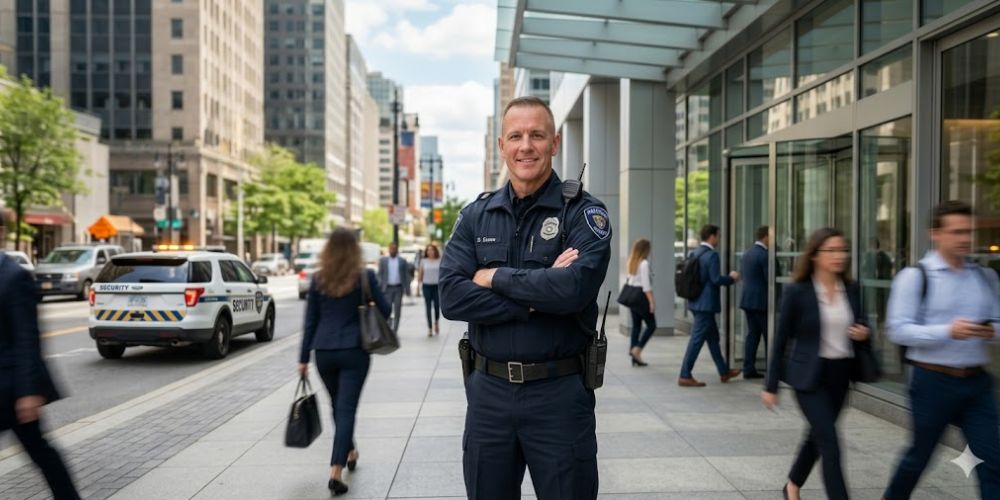
You show up to a concert, a festival, a corporate gathering. The vibe is good. The crowd is loud. The last thing on your mind is what would happen if that crowd suddenly pushed toward one exit at the same time.Event planners in California know this feeling well. There is always so much to coordinate that security gets squeezed into a late-stage decision. Venue, catering, lighting, logistics.
By the time crowd management comes up, the budget is thinner and the timeline is shorter. Most of the time, that gamble pays off. But when it does not, it really does not. Working with a licensed security firm in California like Hyguard Services from the start costs far less than cleaning up what poor planning leaves behind.
What Crowd Control Actually Means
Real crowd management means knowing a venue before the first guest walks in. It means identifying which corridor is going to back up by hour two, where the stage rush usually happens, how long it takes medical personnel to reach the far end of a festival ground if something goes wrong. That groundwork gets done before the event, not during it.
When a security team shows up without that prep, they are reacting to everything. Furthermore, reactive security is always a step behind.
The Risks Most Organizers Underestimate
Dangerous Overcrowding
Overcrowding rarely looks dangerous at first. It builds slowly. A little too many people near one entrance. A crowd drifting toward the stage. Then someone stumbles. Someone else pushes back. The people behind them have nowhere to go. What starts as a tight squeeze can become a crush in under a minute. Guards who actively monitor density and redirect movement before that tipping point is reached are not being overcautious. They are doing exactly what the job requires.
Aggression That Starts Small
Most fights at events do not start as fights. They start as something smaller. A bumped shoulder, a spilled drink, two people who were already in a bad mood before they arrived. A trained guard catches that early energy. They position themselves before it escalates, not after someone throws a punch. By then, the crowd around it is already involved.
Unauthorized Access
Backstage. VIP areas. Staff zones. Every large event has them. Every large event also has people who will try to walk into them. Some are opportunists. Some are genuinely a threat. Either way, a guard who understands access control is the difference between a restricted area staying restricted and a situation that gets uncomfortable fast.
Medical Emergencies Nobody Sees
A packed crowd is one of the hardest environments to spot a person in distress.
However, guards who actively scan instead of passively stand are the ones who catch this before it becomes serious. Getting medical help through a dense crowd quickly takes planning. Without it, even a minor medical situation can turn worse.
Which Events Carry the Most Risk
Concerts and music festivals are built around high emotion. That energy is the point. But it also means the crowd is already running at a higher intensity before anything even happens. Open perimeters. No fixed entry points. Large numbers of people coming and going at irregular times. These need real crowd management too, they just do not always get it.
What a Professional Guard Brings
Situational Awareness, Not Just Presence
There is a big difference between a guard who is physically present and a guard who is actually watching. Trained professionals read movement patterns. They notice when someone is scanning exits in a specific way, when a group is getting louder with a particular edge, when the crowd’s energy shifts. Armed security personnel operate at an even higher level of awareness for events where the threat level demands it.
Entry and Exit Management
The gate is where a large percentage of incidents actually begin. Too many people arriving at once, credentials not being verified properly, exits that are blocked by arriving guests. Guards who manage this well keep the pace steady, stay in contact with the rest of the team and flag problems before they compound. Done poorly, the fallout from a bad entry process follows the event the entire night.
Emergency Response With a Real Plan
When something serious happens, there is no time to figure out a protocol on the spot. A trained team already has one. They know who communicates what, where crowds need to move, how to stay calm in a way that stops panic from spreading outward. That calm is not natural. It is trained. Furthermore, it makes a measurable difference in how a crisis resolves.
Planning Security Early Changes Everything
Bringing in a crowd management team after most of the event planning is done limits what they can actually do. Barrier placement, communication setup, emergency access routes. All of these work better when security is part of the original conversation.
Security is not a finishing touch. It is a structural decision. Events that treat it that way tend to run better across the board.
Conclusion
Every event organizer wants the same thing. The day goes smoothly, the guests have a great time, nobody gets hurt. That outcome is not accidental. It takes preparation, the right people on the ground and a crowd management plan that was built with care.
If your next event is in California, Hyguard’s event security team brings exactly that level of preparation to every assignment. Because your guests deserve to leave safely and your event deserves to be remembered well.