

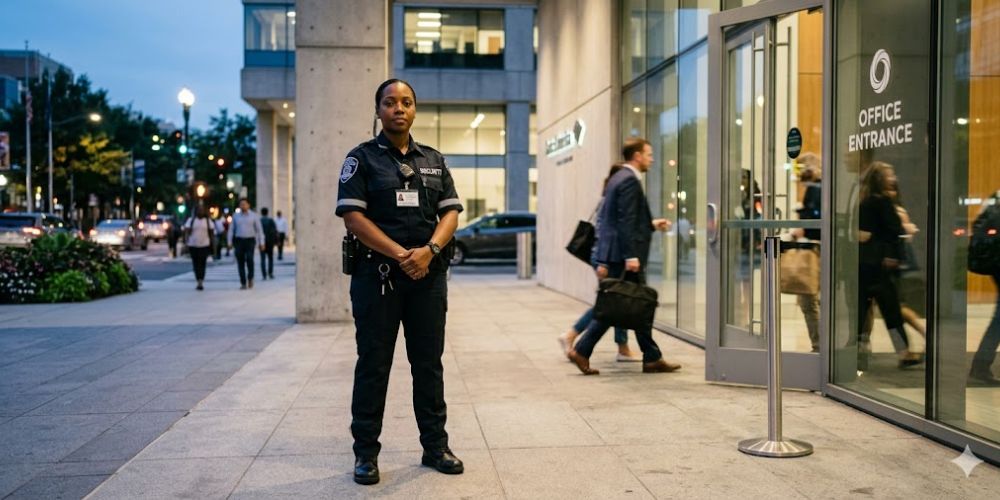
A home address should feel safe the moment someone turns into the street. Lights on. Gates working. Hallways quiet. Kids playing outside. Neighbors walking dogs without looking over their shoulders. That feeling matters more than most people admit.
When it starts to fade, residents notice quickly.
A broken gate left open for days, strangers wandering through parking areas, late night noise near shared spaces, packages disappearing from doorsteps. None of these issues seem huge on their own. Together, they change how a community feels.That is why many property managers look into experienced providers such as when they want a steadier, safer environment for residents.
Why Residential Security Matters Now
Neighborhood concerns have changed over time. Years ago, many communities only worried about burglary. Today, the list is wider.
Residents often deal with:
package theft
parking conflicts
trespassing
vandalism
unauthorized visitors
disturbances after hours
safety concerns in common areas
People do not only want protection after something happens. They want prevention before it begins.
That is where a professional security presence earns its value. In fact, Hyguard Services Inc has been dedicated to the field and it’s time to explain for those who aren’t aware enough.
More Than Standing At a Gate
Some people picture a guard sitting at an entrance booth all day. Real residential security is much more hands-on than that.
A strong officer watches patterns, notices unusual behavior, speaks with residents respectfully, handles pressure calmly and keeps small problems from growing into expensive ones.
Good guards are often solving issues before most residents ever hear about them.
Watching Who Comes In
One of the first duties is access control. Put simply, knowing who should be there.
In many communities, guards help manage:
guest arrivals
contractor access
delivery traffic
vendor check-ins
vehicles entering after hours
When entrances are monitored properly, opportunistic problems tend to drop. People looking for an easy target usually prefer places with no oversight.
Patrolling The Property
Patrol work matters because trouble rarely happens right in front of management offices.
It happens in stairwells, side lots, dim walkways, storage areas, pool zones, back entrances and corners people assume no one checks.
A careful patrol often includes:
parking lots
hallways
mailrooms
elevators
amenity spaces
perimeter fencing
doors that should stay locked
Residents may not always notice these rounds, though they notice when nobody is doing them.
Responding When Things Go Wrong
Even peaceful properties have difficult moments. Someone gets locked out late at night. A fire alarm sounds. Two neighbors argue loudly. A resident needs medical help.
This is where professionalism shows
The best response is often calm, clear and quick.
Being Visible Changes Behavior
There is something simple about human nature. People behave differently when they know someone responsible is nearby.
A visible officer can reduce:
loitering
reckless driving inside the property
rule breaking in common spaces
petty theft opportunities
repeat nuisance behavior
Security presence sends a message without saying a word: this place is being looked after.
Helping Residents Daily
Residential guards do more than deal with problems. Much of the job is helpful routine work.
They may give directions to guests, assist during move-ins, report maintenance hazards, help elderly residents in urgent moments or guide emergency crews to the right building.
Those small moments build trust.
Many residents remember the officer who helped during a stressful night more than the one who simply stood watch.
Reporting What Others Miss
Good security work leaves a paper trail. If the same vehicle keeps entering without authorization, if lighting near Building C stays broken, if noise complaints happen every Friday night, management needs records.
Useful reports often include:
exact time
location
names if known
what happened
action taken
recommended follow-up
That information helps owners fix patterns instead of chasing rumors.
What Separates Average Guards From Great Ones
Training matters. Experience matters. Character matters too.
Great residential officers usually bring:
Awareness
They spot the side gate left open before anyone calls.
Patience
They deal with frustrated people without escalating tension.
Judgment
They know when to warn, when to report, when to call police or emergency services.
Consistency
They stay sharp on quiet nights, not only busy ones.
Conclusion
Some properties face higher risks because of location, previous incidents, valuable assets or direct threats. In those cases, a stronger security plan may be necessary.
That is why many communities speak with practical guidance based on real conditions, not guesswork. For sites needing a higher level of readiness, can provide added protection through trained professionals.At its best, residential security feels almost invisible. Things run smoothly. Residents relax. Problems stay small. That quiet stability is often the real job. If there’s ever a need for genuinely responsive armed guard services, we tend to aid in the requirement well.